Credit Market Update: September 2023

Photo by Stephen Dawson on Unsplash
A dozen years of interest-rate suppression have misdirected capital, misinformed investors and stimulated credit formation for speculative structures that require continued refinancing at the interest rates no longer on offer.
This update surveys the financial consequences of the ongoing monetary policy experiment in interest rate manipulation, radical money printing and debt monetization conducted by the Fed.
Household Debt Reaches $1 Trillion
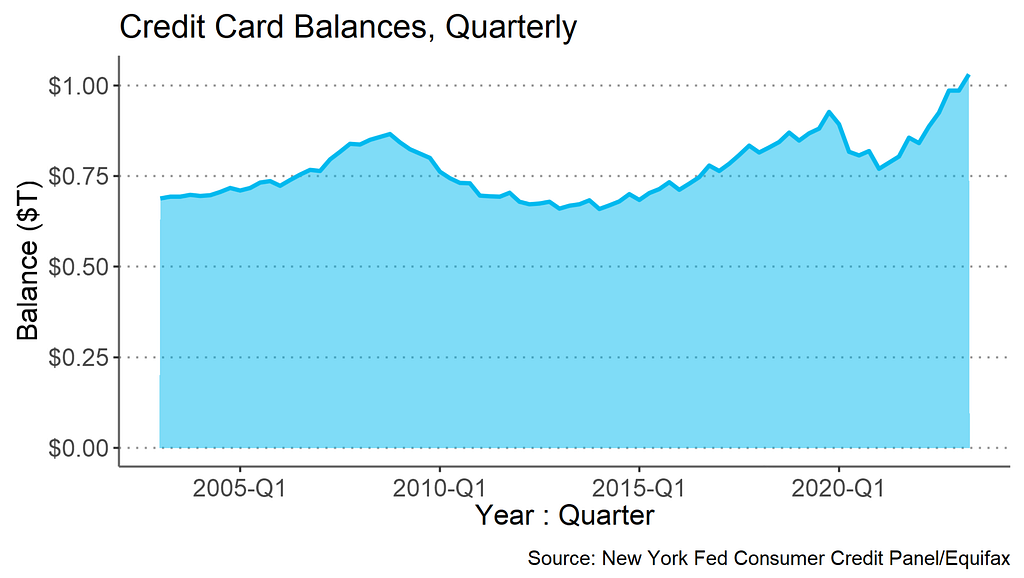
Americans’ credit card debt levels have just reached a new milestone: For the first time ever, they’ve surpassed $1 trillion, according to data released by the Federal Reserve Bank of New York.
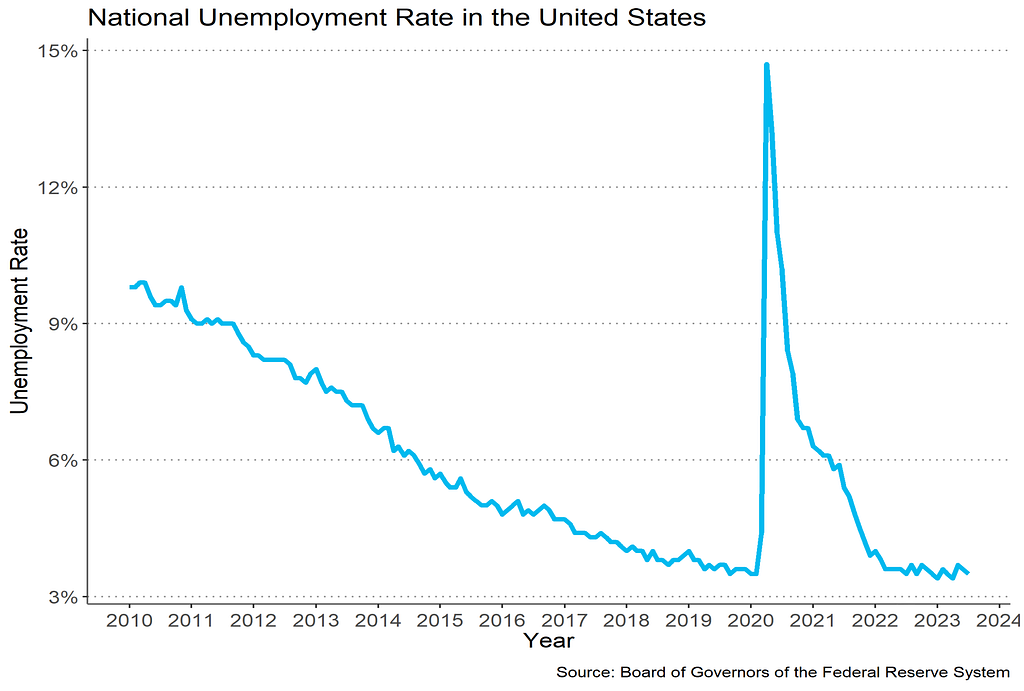
America’s economy has shown surprising resilience in the face of the Fed’s 18-month march from zero to 5.5%, remaining upright and fully employed.
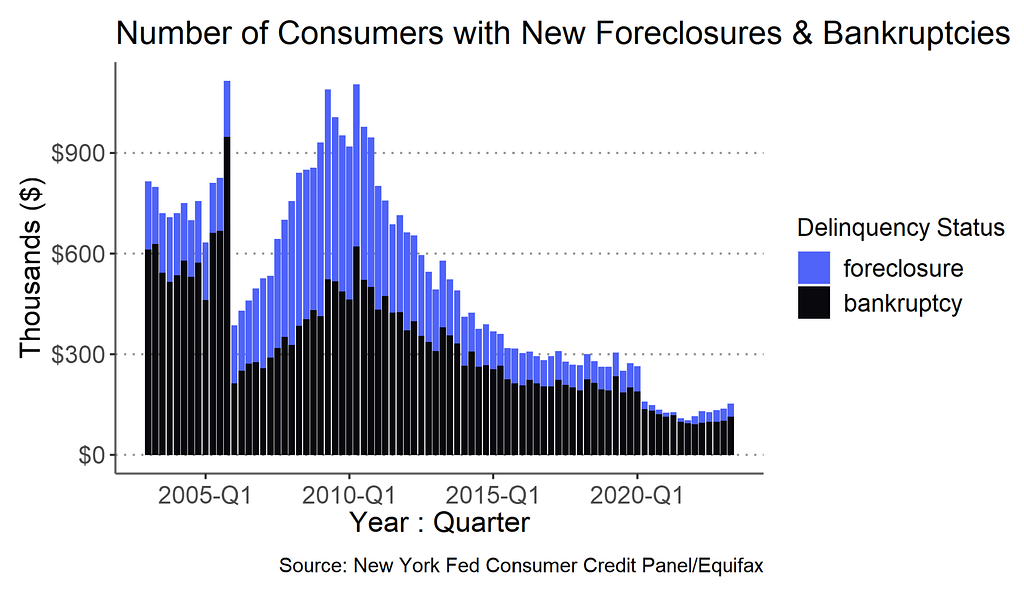
Additionally, the number of consumers facing new foreclosures and bankruptcies is still at levels well below the prepandemic period.
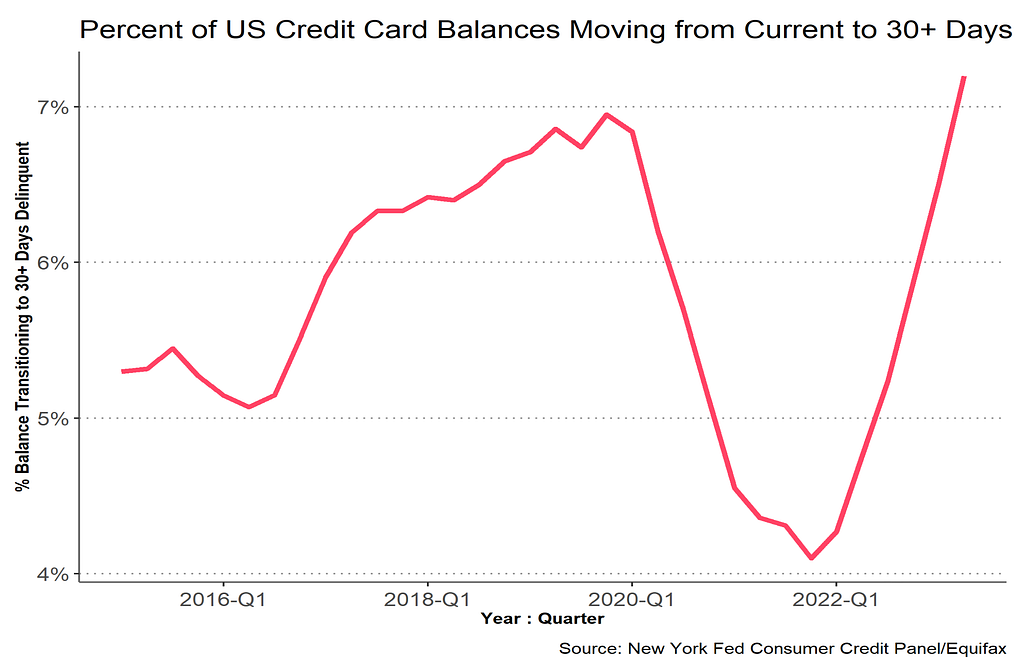
But cracks and stress points are starting to surface. The percentage of credit-card and auto-loan balances transitioning into delinquency - that is, going from current to becoming 30-days-plus late - is happening at a pace faster than that of 2019, according to the Federal Reserve Bank of New York’s recently released second-quarter Quarterly Report on Household Debt and Credit. The recent surge in credit card delinquencies calls into question the underlying strength of the economy: why are consumer finances stressed when everyone has a job?
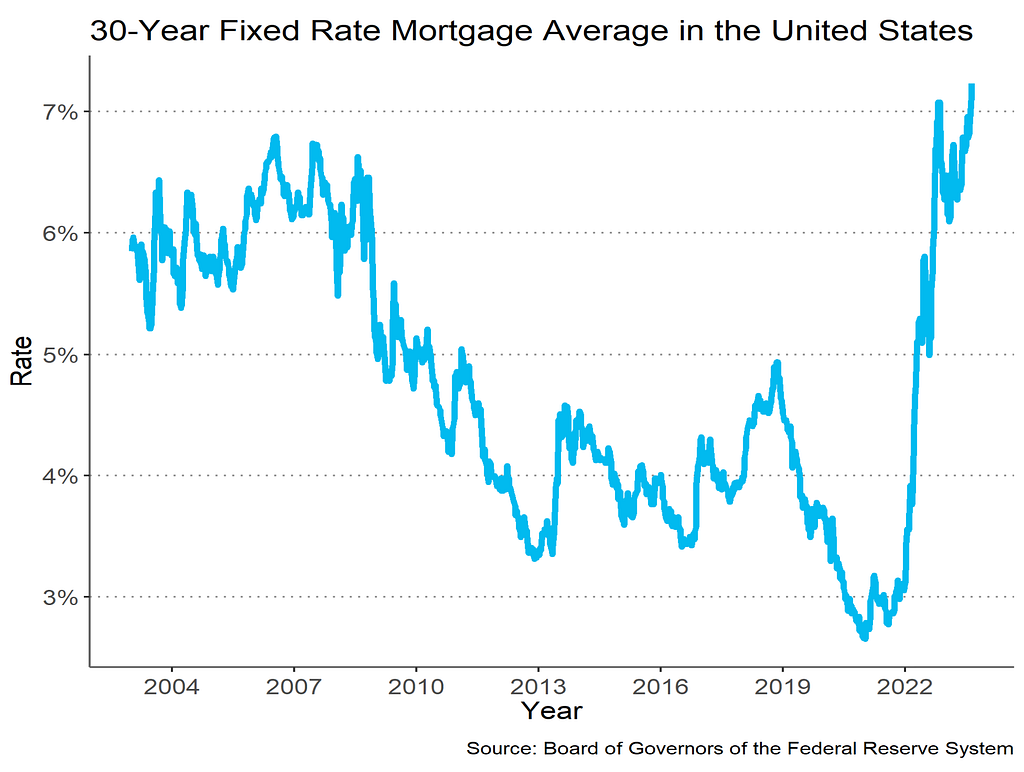
The timing is concerning given we are seeing this run-up in delinquencies, curbing of bank credit and the end of student debt relief all colliding at the same time. Not to mention the highest mortgage rates in almost 20 years.
Response from Lenders
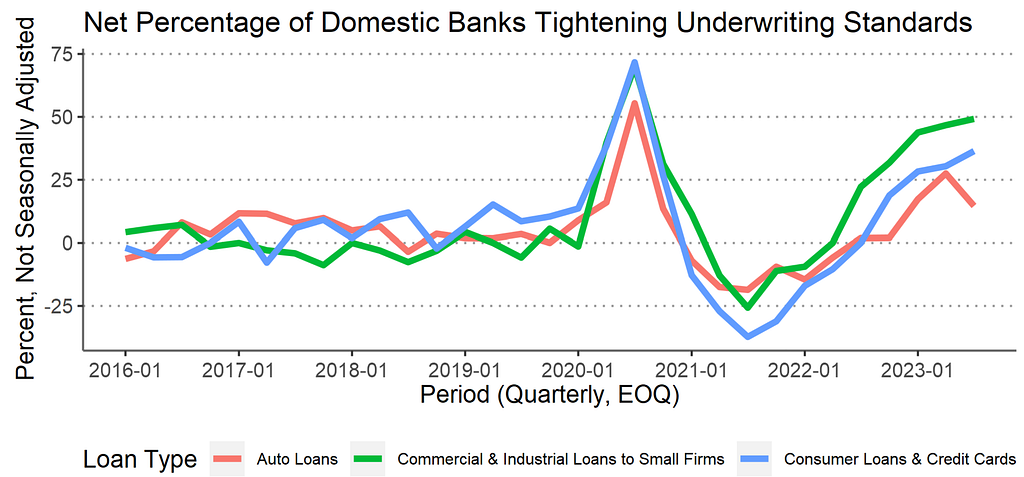
The banks are responding to these credit conditions by tightening lending standards across most of credit.
Response from Consumers
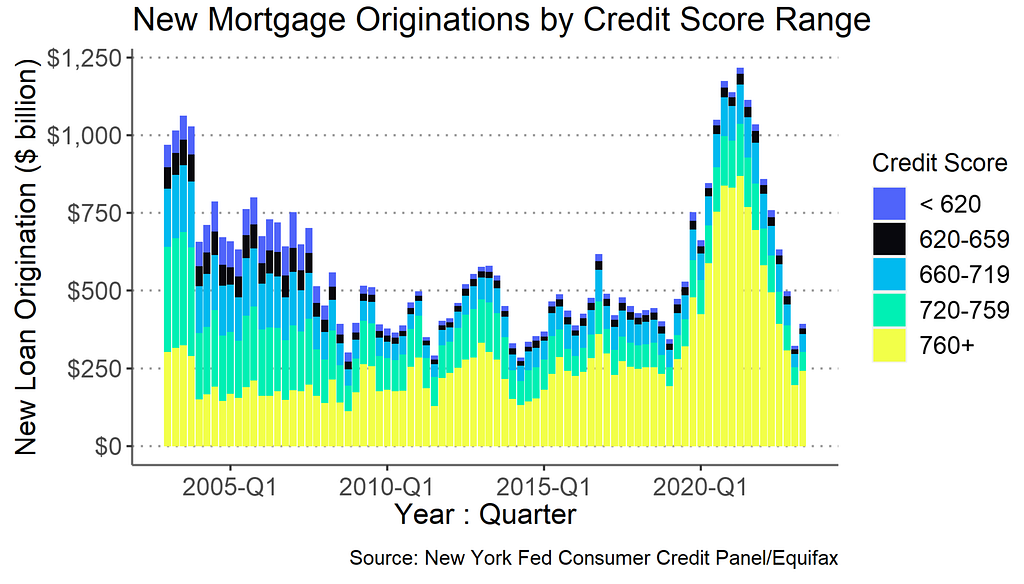
As a result of tightening bank standards and higher interest rates, new mortgage originations are significantly down on a year-over-year basis.
Response from Capital Markets
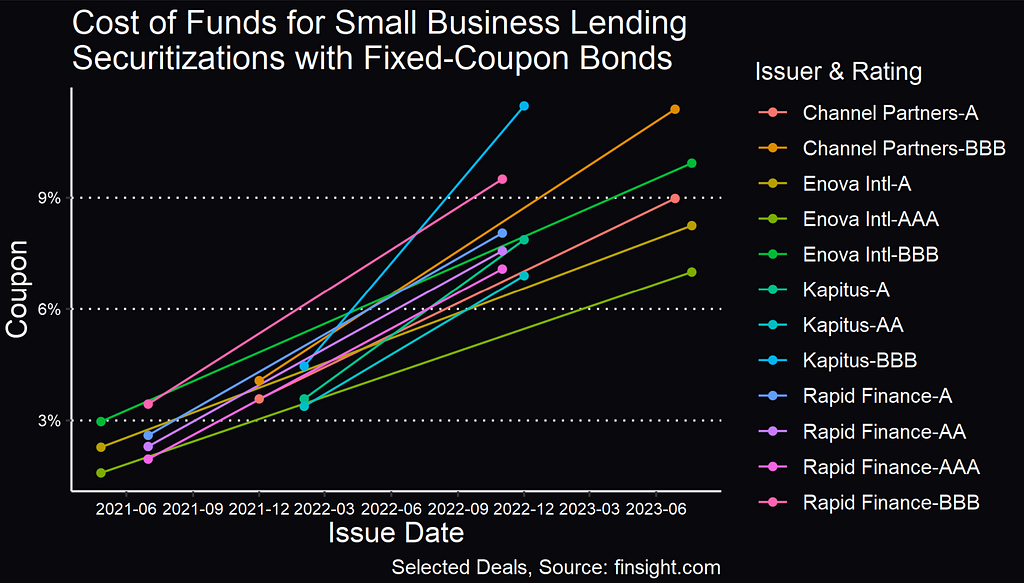
New issue pricing for securitizations of fixed coupon bonds reveals the higher risk investors expect to be compensated for. Higher coupons translate to higher debt service costs, and therefore profitability and free cash flow are set to collapse in the levered-company universe.
Conclusion
Until very recently, the rate of late payments had trended below historical norms across virtually all lending types and consumer groups. A frequent explanation is that Americans built up a cash cushion during the pandemic and still haven’t spent down the excess savings.
At Jackson Hole last week, Chairman Jerome Powell focused on today’s relatively high policy interest rates rather than the preceding decade of suppressed policy rates, but it was the zero-percent era that made a 5%-plus rate dangerous. Either way, American financial stability may well rest with the near-term trend in measured inflation.